April 11, 2014

Pure or applied science...

Frequently, I have been asked if an experiment I have planned is pure or applied science; to me it is more important to know if the experiment will yield new and probably enduring knowledge about nature. If it is likely to yield such knowledge, it is, in my opinion, good fundamental research; and this is more important than whether the motivation is purely aesthetic satisfaction on the part of the experimenter on the one hand or the improvement of the stability of a high-power transistor on the other. — William B. Shockley
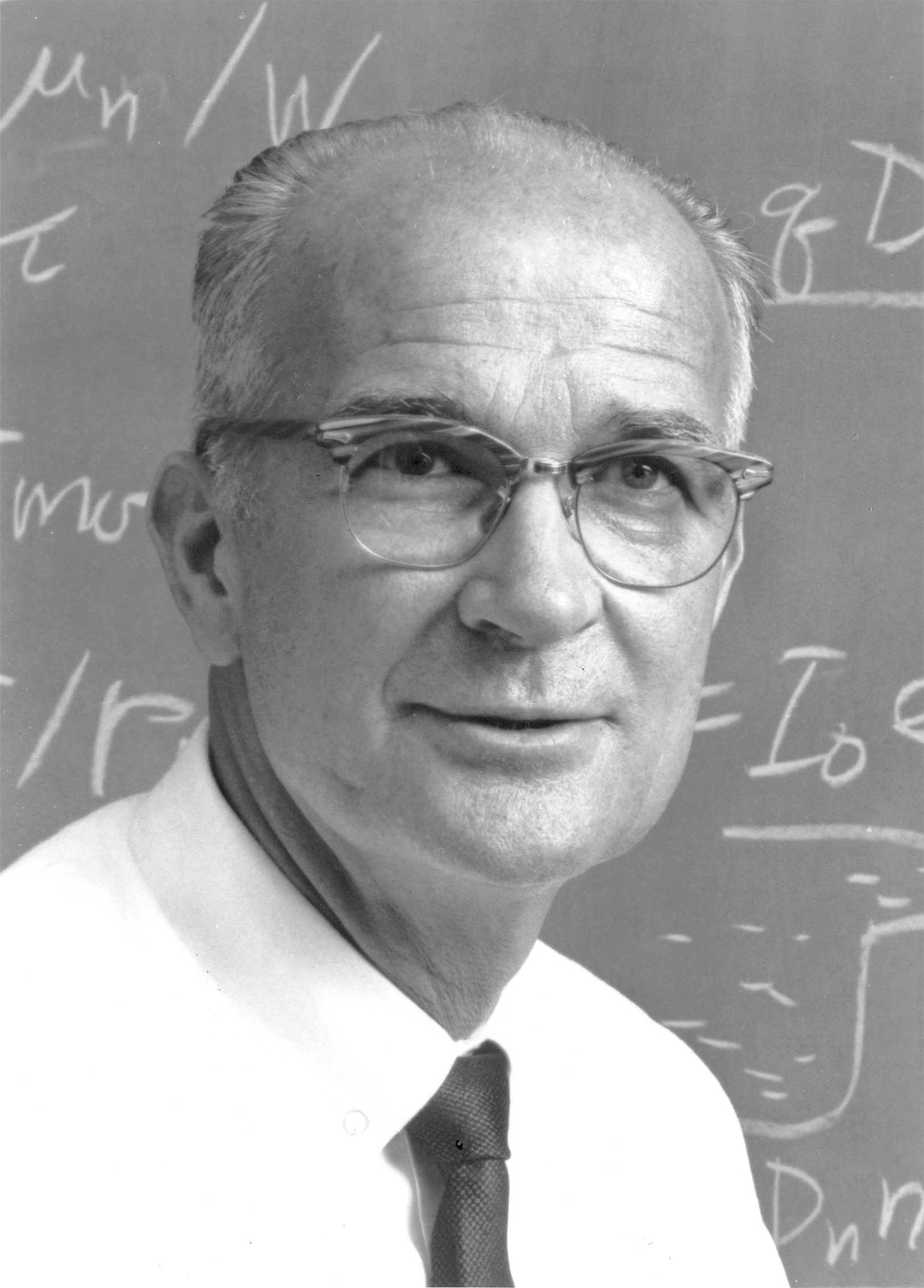
William B. Shockley; photo by Chuck Painter / Stanford News Service

FCC Technician Exam Question Of The Day (T8B02)

Q) How much transmitter power should be used on the uplink frequency of an amateur satellite or space station?

A) The minimum amount of power needed to complete the contact


NJ2X Notes:
QRP (low power) operators already understand the meaning of this rule.  They accomplish DX (long distance) contact with just a few watts or sometimes even miliwatts.  It is rather fun to turn down the power during a contact to see "how low you can go".

This rule becomes even more critical with a space station since transmitting on the uplink at greater power than necessary increases the chances you will cause harmful interference.


April 10, 2014

FCC Technician Exam Question Of The Day (T6D05)

Q) What type of circuit controls the amount of voltage from a power supply?

A) Regulator

NJ2X Notes:

The objective for a voltage regulator is to provide constant DC output voltage and to continuously hold the output voltage at the design value regardless of changes in load current or input voltage.

April 9, 2014

FCC Technician Exam Question Of The Day (T6D04)

Q) Which of the following can be used to display signal strength on a numeric scale?

A) Meter


NJ2X Notes:
The S-Meter

April 8, 2014

FCC Technician Exam Question Of The Day (T6B11)

Q) Which semiconductor component has a gate electrode?

A) Field effect transistor


NJ2X Notes:
All FETs have gate, drain, and source terminals (three-terminal device) that are used to control current passing through the device.  The electrical resistance between the source and the drain can be manipulated by changing the voltage between the gate and source.  The FET is used in a wide variety of applications including amplifiers and power supplies.


Schematic symbol for a field effect transistor (FET)

April 6, 2014

FCC Technician Exam Question Of The Day (T6D06)

Q) What component is commonly used to change 120V AC house current to a lower AC voltage for other uses?

A) Transformer

NJ2X Notes:
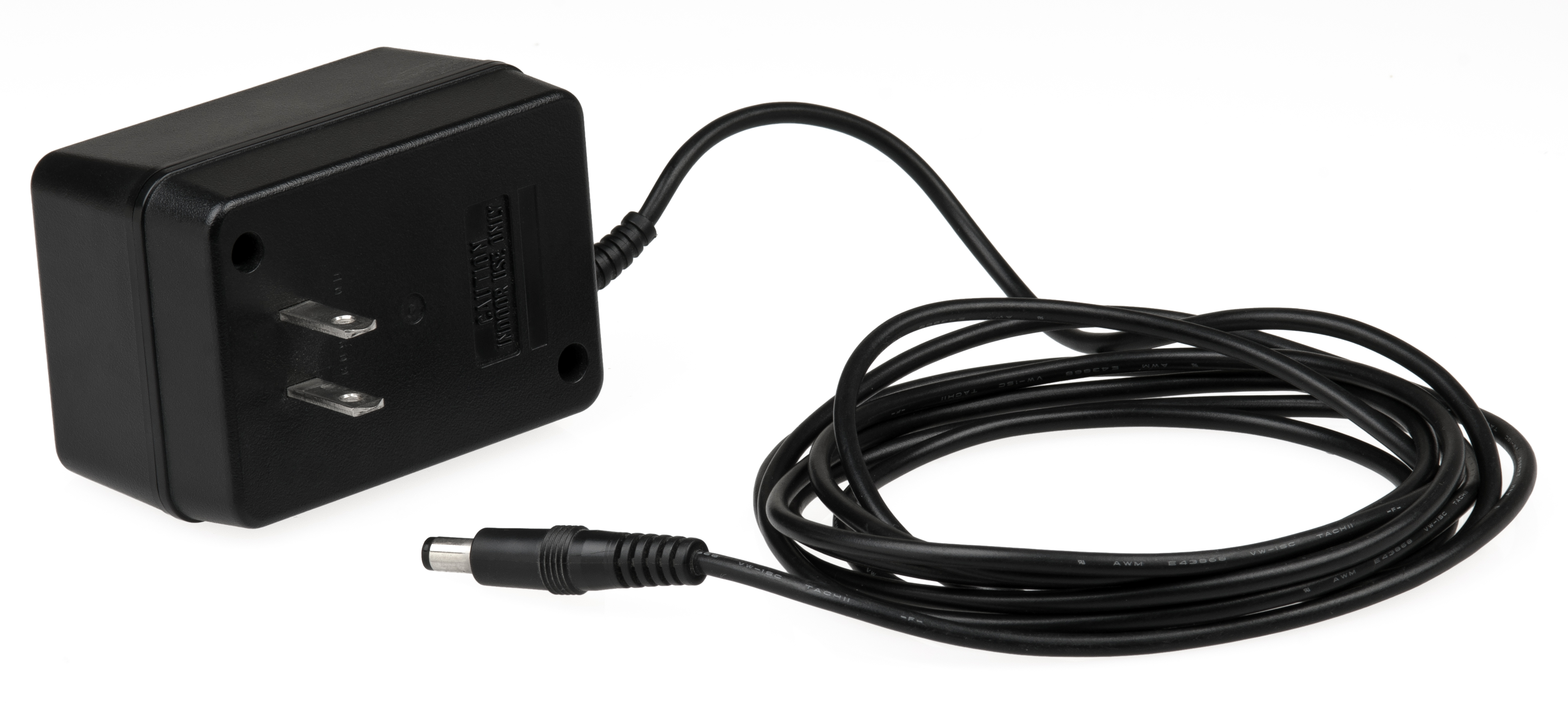
The ubiquitous "wall-wart" housing contains a transformer along with a few other components.  This device steps down 120V AC house current to a lower AC voltage.
Element 2 Technician Class Question Pool


April 5, 2014

FCC Technician Exam Question Of The Day (T6C12)

Q) What do the symbols on an electrical circuit schematic diagram represent?

A) Electrical components


NJ2X Notes:
A schematic is a diagram that represents the electrical components of a circuit using abstract, graphic symbols (rather than realistic pictures or mathematical equations).

Schematic Symbol for an LED


Check out NJ2X.COM for other FCC Technician Exam questions related to the schematic symbol.

April 4, 2014

Experience with ignorance and doubt...

“The scientist has a lot of experience with ignorance and doubt and uncertainty, and this experience is of very great importance, I think. When a scientist doesn’t know the answer to a problem, he is ignorant. When he has a hunch as to what the result is, he is uncertain. And when he is pretty damn sure of what the result is going to be, he is still in some doubt. We have found it of paramount importance that in order to progress, we must recognize our ignorance and leave room for doubt. Scientific knowledge is a body of statements of varying degrees of certainty — some most unsure, some nearly sure, but none absolutely certain. Now, we scientists are used to this, and we take it for granted that it is perfectly consistent to be unsure, that it is possible to live and not know. But I don’t know whether everyone realizes this is true. Our freedom to doubt was born out of a struggle against authority in the early days of science. It was a very deep and strong struggle: permit us to question — to doubt — to not be sure. I think that it is important that we do not forget this struggle and thus perhaps lose what we have gained.” ― Richard P. Feynman

FCC Technician Exam Question Of The Day (T6D10)


Q) What is the function of component 2 in Figure T1?
A) Control the flow of current

NJ2X Notes:
The schematic symbol illustrated by component 2 is a transistor.


This question is from the FCC Element 2 Technician Class Question Pool
Effective July 1, 2010 for examinations and is valid until June 30, 2014

April 3, 2014

FCC Technician Exam Question Of The Day (T6D09)

Q) What is the name of a device that combines several semiconductors and other components into one package?

A) Integrated circuit

NJ2X Notes:
The ubiquitous integrated circuit is also referred to as an IC or chip.  The integrated circuit is manufactured through a lithography process that places trace elements onto a substrate of silicon semiconductor material.  The semiconductor devices are interconnected to form circuits.

This is an interesting 11-minute video about how integrated circuits are manufactured.


This question is from the FCC Element 2 Technician Class Question Pool
Effective July 1, 2010, for examinations and is valid until June 30, 2014

April 2, 2014

FCC Technician Exam Question Of The Day (T6C13)

Q) Which of the following is accurately represented in electrical circuit schematic diagrams?

A) The way components are interconnected


NJ2X Notes:
Check out NJ2X.COM for other FCC Technician Exam questions related to the schematic symbol.


April 1, 2014

FCC Technician Exam Question Of The Day (T6D03)

Q) What type of switch is represented by item 3 in figure T2?
A) Single-pole single-throw


NJ2X Notes:
A common abreviation designation for single-pole single-throw switch is SPST.  The single-pole single-throw switch is the most common on/off switch.  The number of "poles" refers to the number of separate circuits which are controlled by the switch.  The number of "throws" refers to the number of separate positions that the switch can select.